Portland, Oregon
Senior Archaeologist
Peruvian Archaeology
What is your job title and what locations do you work in?
My job title is Senior Archaeologist. I am based in Portland, Oregon. I work in Oregon and also in Southwest Washington.
How long have you been an archaeologist for?
My first archaeology project that I was paid for, I did 17 years ago. In the summer of 2009, when I was still an undergrad, I did a CRM project.
Are you in grad school now?
Yes, I am finishing up my PhD. I am ABD (all but dissertation), meaning I am writing up from field work that I collected last year plus previous years as well.
What is your dissertation on?
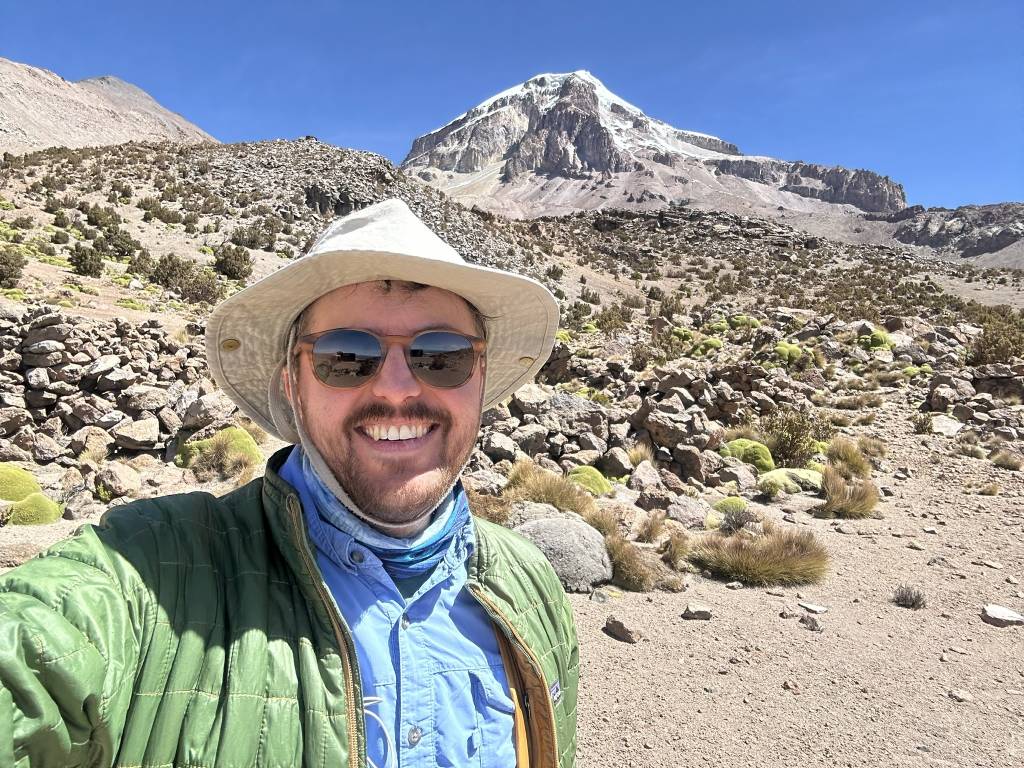
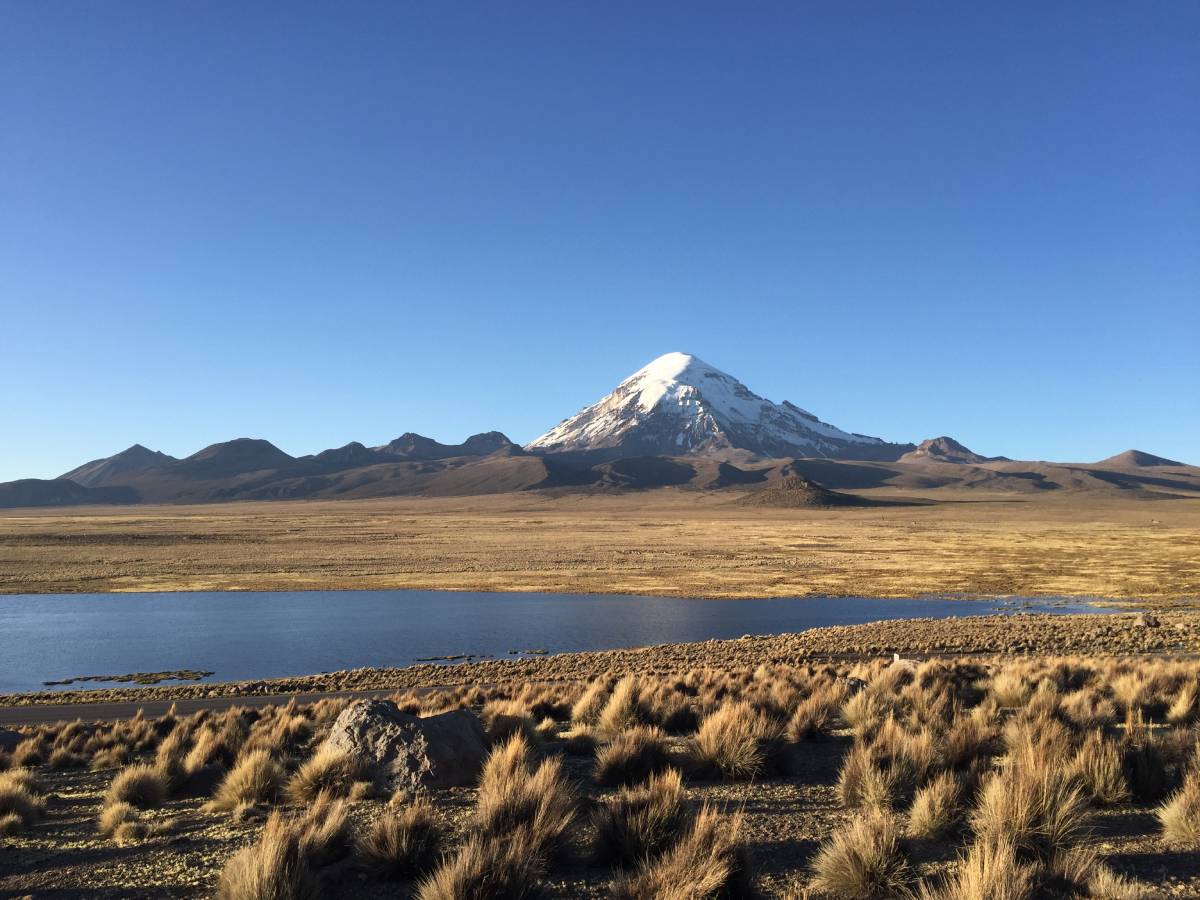
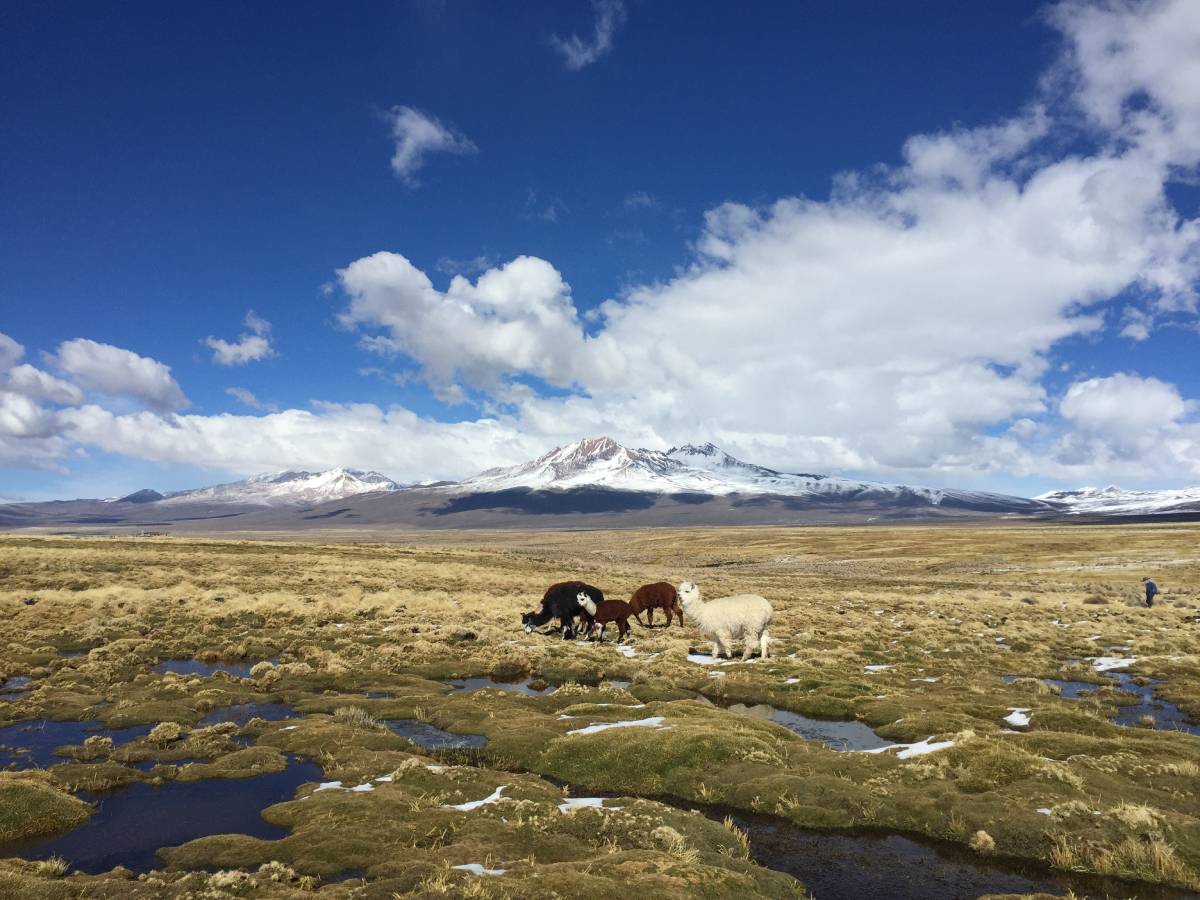
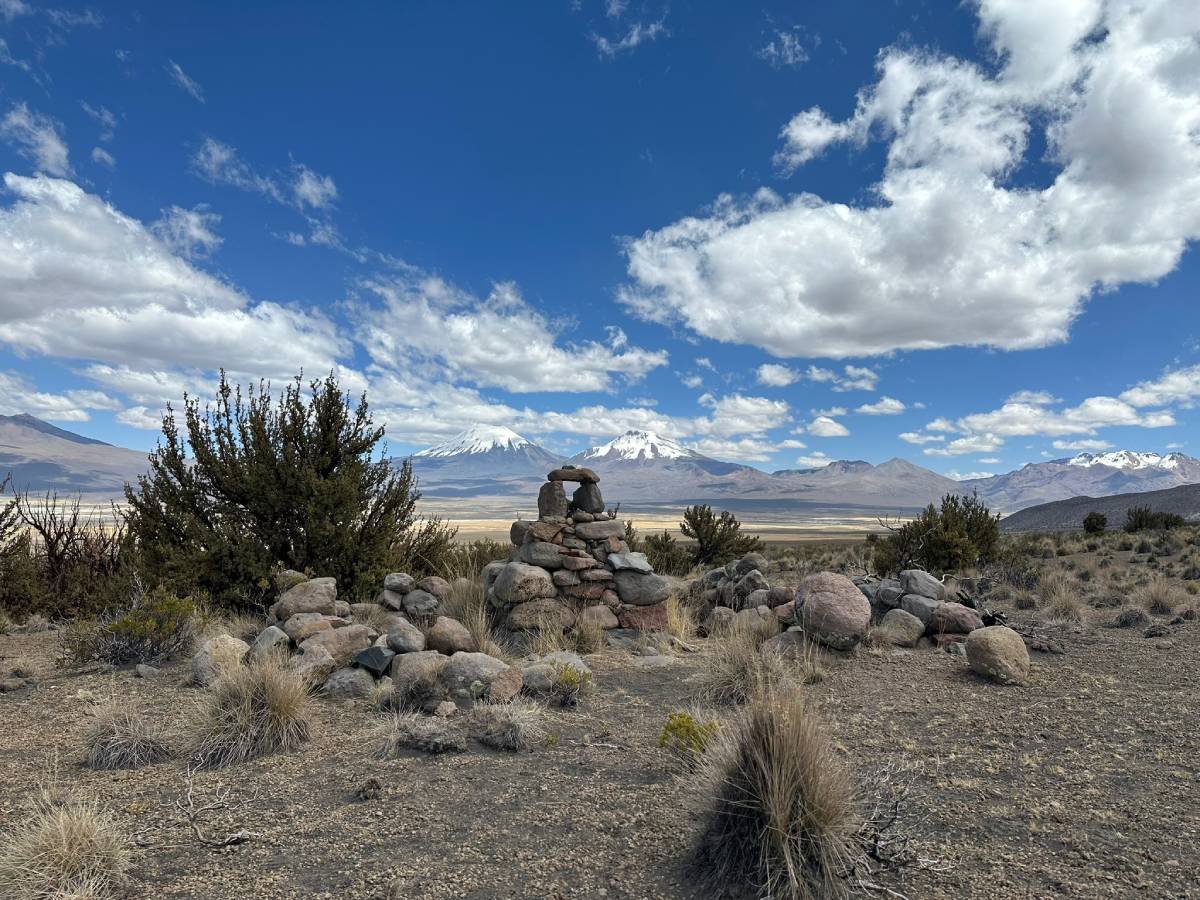
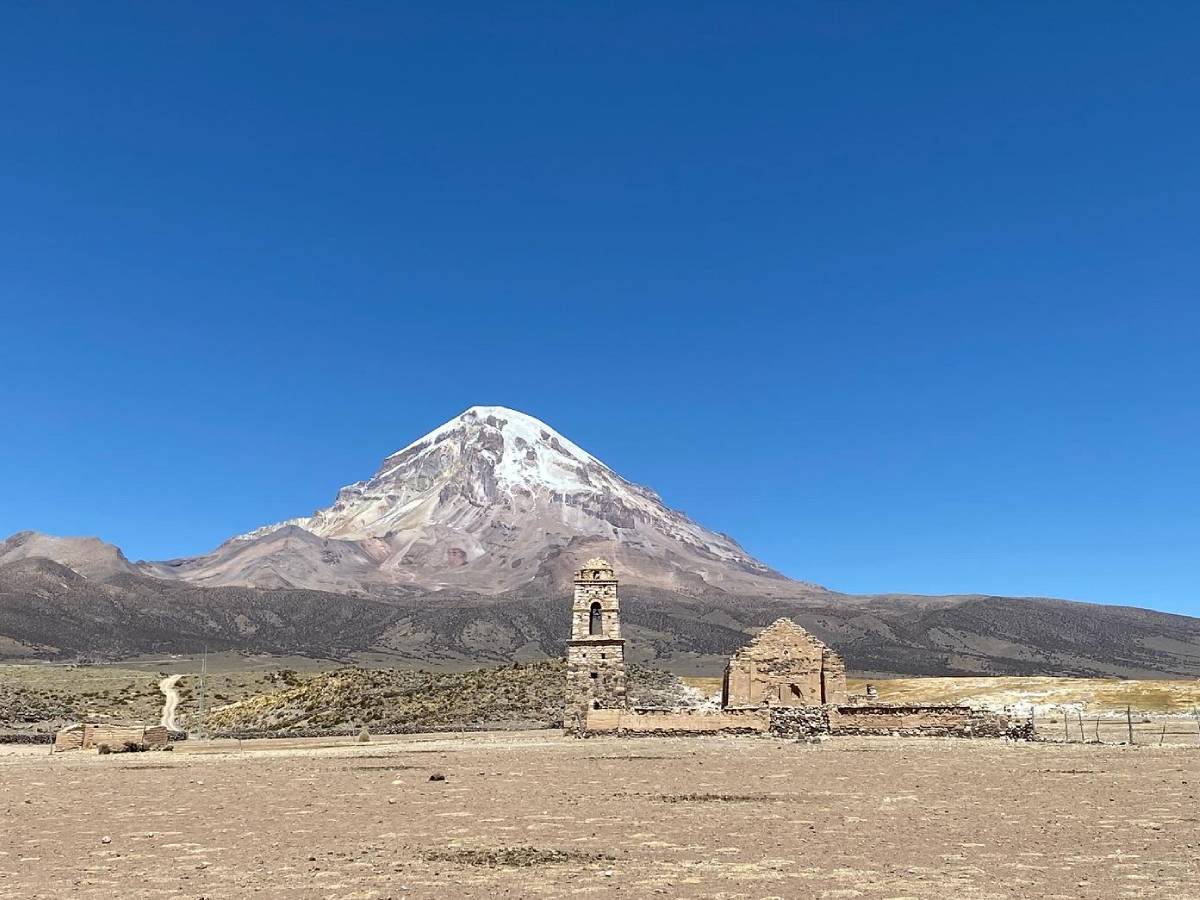
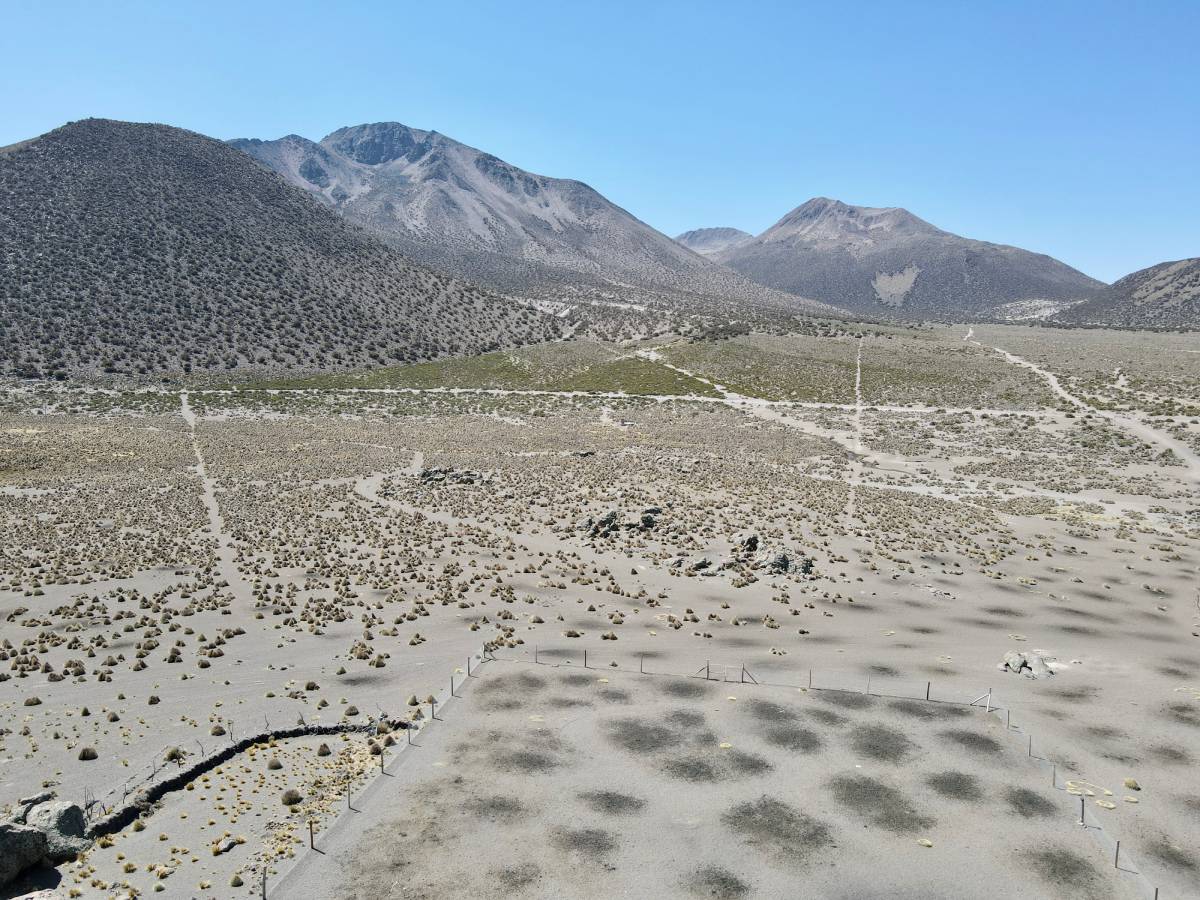
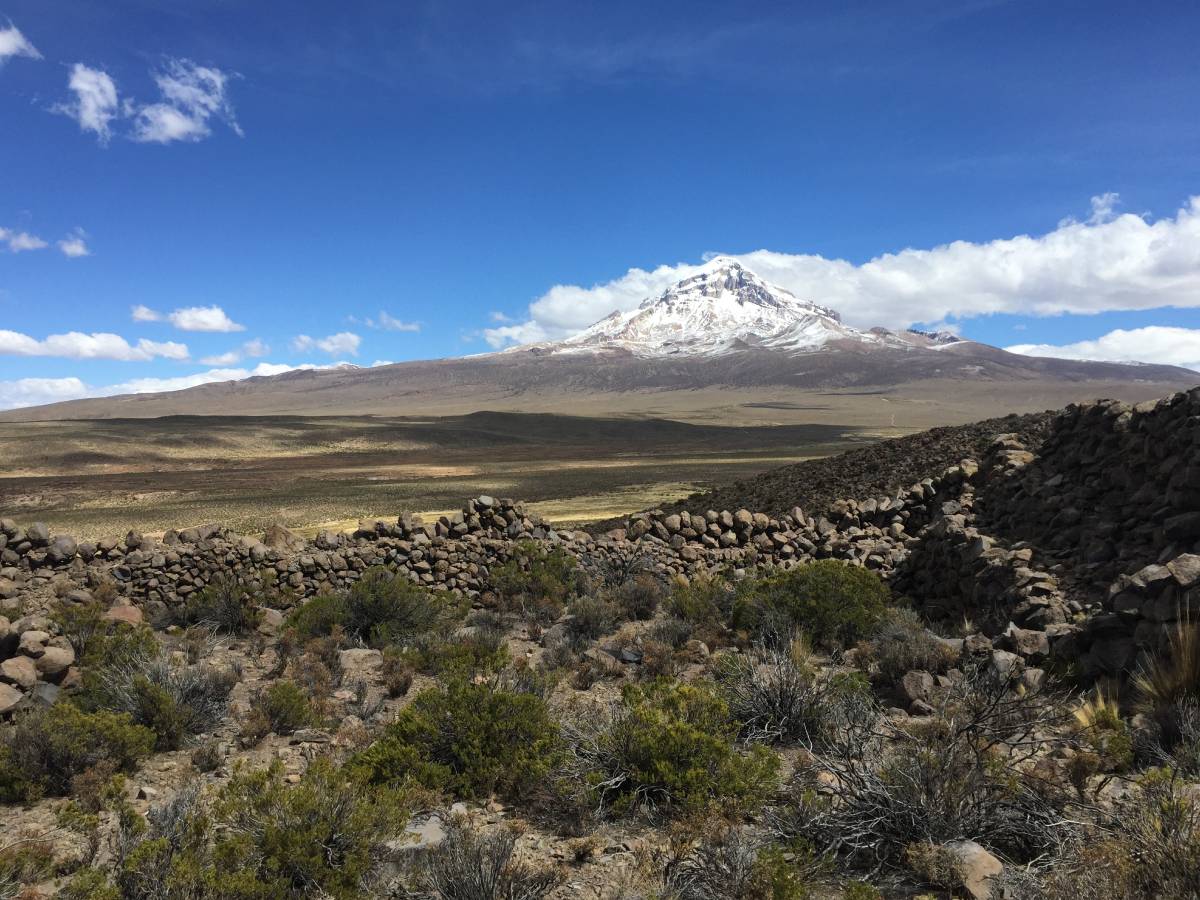
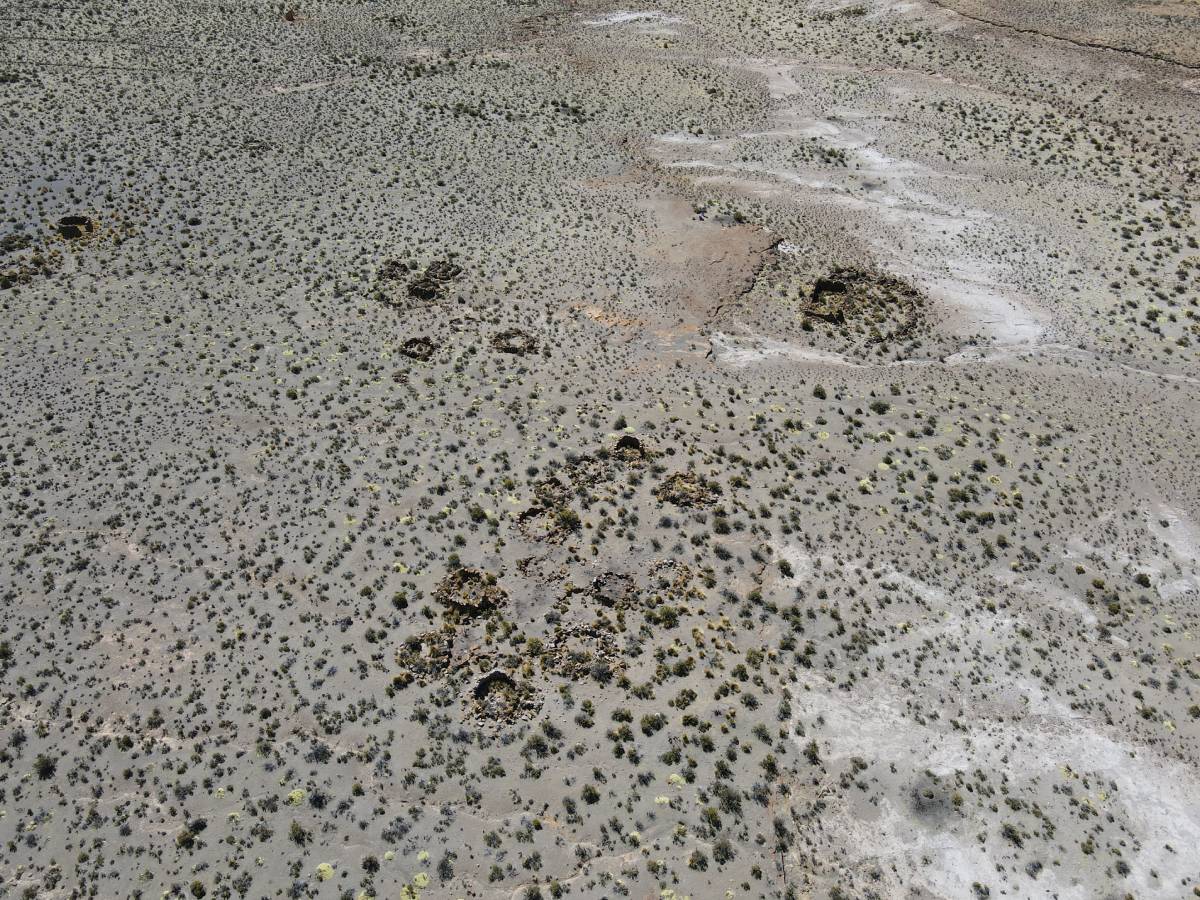
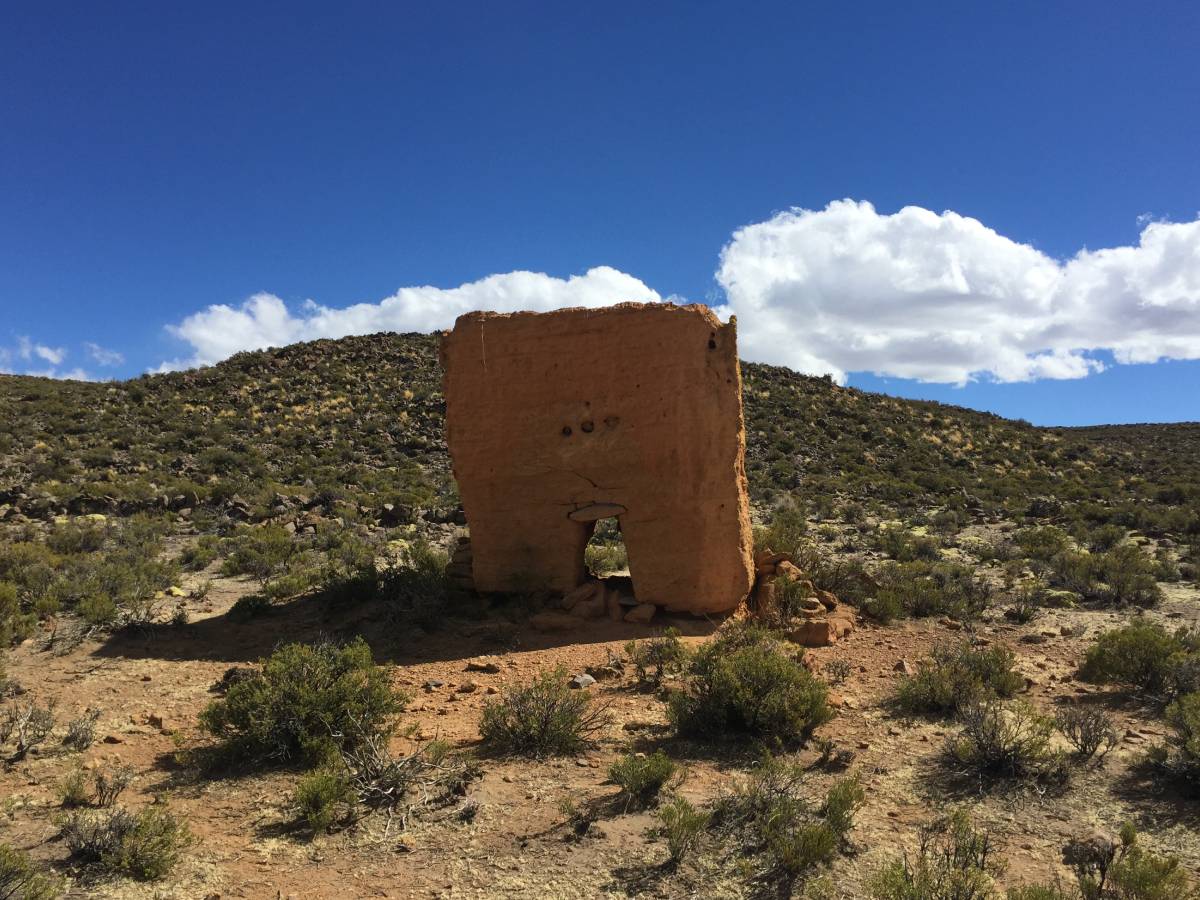
My dissertation is looking at a set of linear geoglyphs or linear pathways, in the highlands of Bolivia near the border with Chile. It’s a pretty dry, flat region, more or less relatively flat. There’s pretty hills and mountains. It’s a landscape archaeology approach, looking at how local pastoralists (farmers and herders) constructed this landscape and navigated Spanish colonialism. And before that Inca imperialism and how they continue to reproduce the system despite lacking in major political centers or anything like that, very decentralized, small-scale groups, probably based on family units.
What are geoglyphs?
Geoglyphs are symbols in the earth. The most famous ones probably in the New World are the Nazca Lines. There’s other ones in Peru as well. The Chincha Lines are nearby from an earlier group of people. Closer to where I work, in the Atacama Desert, there’s giants in the ground. Most of the really popular ones look like images, you know, hummingbirds, orcas for the Nazca lines, or the giants.
But most geoglyphs are just lines that probably served as a ritual procession trail, pathway, or for caravans to navigate through. They serve to function where they can. When you go out there, you can really see that as you’re standing on a lower part, you can see a hill and there’s a line that goes straight up the hill. So they can serve as sort of a marker.
Some ethno-historic sources suggest that they were kind of boundaries. The Inca had a huge system of lines or ceques, which can be line or border boundary. And so they divided up their whole empire into ceques, radiating out from the core of their empire. It’s a broader kind of way of thinking about how you organize space and movement.
What’s your favorite time period or civilization in archaeology to study?
I like (the Inca) a lot. People call them the proto-historic, because usually scholars like inventing new words for things. Or the late prehistoric transitional period. But basically, that period when Europeans were interacting with the native peoples of the New World; the Americas. I found it really interesting, especially the Spanish. They were late medieval, early Renaissance people. They had feudalism but then they’re interacting with this empire and emerged a global system. Later on, they had international exchange, trade, capitalism, labor, economy, kind of all developed from these interactions. I really like how native peoples navigated this and their resiliency and persistence that they all demonstrated in the face of colonialism and how they still thrive today. In particular, in the Andes, the people in the region don’t identify as being part of the historic group that the Spanish wrote about that they encountered there but they are recognized as being Aymara or indigenous. Aymara is just the name of the indigenous language that people primarily speak. Down in South America under Spanish colonialism, they kind of just reduced everyone into language groups.
Do you have any special interests or hobbies that you do that you maybe think help in your work in archaeology, either your grad work or your day-to-day?
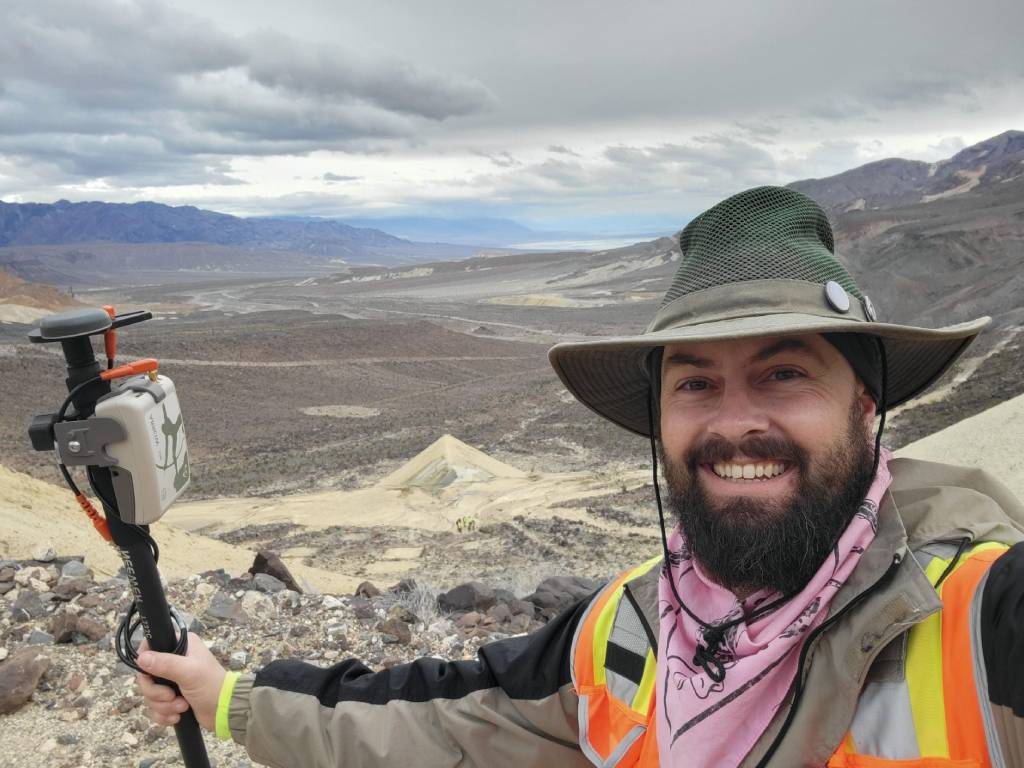
I mean, being outside and liking to travel. Things like hiking and camping and stuff. I did Boy Scouts when I was a kid, and then that kind of translated pretty directly into archaeology. It’s pretty hard to do field work if you’re not comfortable being outside. I know how to weather the elements. It’s nice as an adult when I can do field work and that scratches the itch of going camping and hiking. Traveling helps as well for international work. You need to navigate airports. Then you have to add on not being super fluent in the language, which I wasn’t, of course, the first trip to Peru. And then you have to enjoy being exposed to new cultures: eating the foods, knowing you know what to do, and seeking out things to keep yourself entertained because if you’re not having a good time, you probably aren’t going to do it for very long. What’s the point of not having a good time?
Learning new software, new tech stuff has been useful. Now in the field work, we’re transitioning more and more to using essentially either iPads or smartphones to record things. Every new archaeologist that I trained all come in with their smartphones. They know how to use it and how to, navigate, and so you have to have troubleshoot too, so it’s been useful.
What does a typical day in your life look like?
Specifically for work, it is primarily office-based, and so…it’s mostly answering emails, researching things. It can depend on what exactly we’re doing. It could be writing permit reports or doing, setting up fieldwork, making sure that people have hotels or rental cars, interacting with clients depends on the day-to-day. It’s a mix. It’s nice to be able to do different things, but then also I got to go out and write a new cultural chronology about regions we’re working in or update things. Sometimes we go out and support in the fields. I was out a couple times for field work, camping, and then staying along the Olympic Peninsula. So occasionally, I can still go out in the field.
Do you like going out and doing fieldwork?
Sometimes it’s nice but I’m not going to pretend that sometimes when it’s 100 degrees or raining that it’s sometimes nice to be inside. I always think it’s funny, older archaeologists always kind of reminisce about the field and how great it is, but sometimes it’s field work is nice when you’re finished with it and other times you’re finding something really interesting and cool, and then it makes the heat and the brush worth it.
What artifact that you’ve either seen or discovered is your favorite to learn about and share with others?
Highways and the interstate system in the United States. It has all these levels of complexity more than the Bolivian (Sajama) lines.
I’ve never thought of the US interstate system as an artifact. Route 66 is the big, cliche that everyone thinks of with this example, but it happens all over the United States, doesn’t it?
Yeah. It emerged from a particular historical moment where we had state highways beforehand, but the interstate came out of after World War II with Eisenhower, who was in Germany during World War II and saw the Autobahn. You build the roads for cars. And so how you get the grades has to be around the car: how you arrange, gas stations around there, the flow of traffic having the left or right hand side, all the etiquette rules. Then how it changed towns. There’s all these small little downtowns that you can’t have an interstate through. So the interstate goes around. Then over time, the town shifts because all the stuff is around the interstate because that’s where people travel to. You have your pit stops and fast food and gas stations.
As Americans, we have a rich car culture. The old cars have a special connection with my family. All that car culture also came out of the interstate. It’s how that becomes so entangled and enmeshed in life just from a single thing. It gets back into the work of we do a lot of work. I’ve done a lot of work with Departments of Transportation with replacing bridges, straightening roads, doing that sort of thing. So the money that needs to go put into that, portions of that go to archaeology. It’s probably some of the most interesting archaeology in CRM and in the United States, because usually that’s where all the money is for these projects come out of highway development.
What do you enjoy most about your work?
Good question. I’ve enjoyed different aspects of it as I’ve gone through my career. Currently, I’ve really enjoyed seeing projects through to completion. From getting the contract or winning a bid to then seeing that through to the final deliverable and acceptance of it. Then just seeing how policy and law has to get carried out. I enjoy more larger structural things of the whole projects. Whereas maybe five years ago when I was out in the field more often, I like working with the (archaeology field) techs that we work with, especially the newer ones. It was nice to see them get interested in it and then be successful. When I first started off, it was always nice finding things, especially new things. And then someone on the crew knows a lot about this type of projectile point, or they know a lot about cans, or they know a lot about ceramics. If I go out in the field now, I learn new things. Culturally modified trees is one I’m learning more about here. That’s not really something that was in Texas or Oklahoma. So that’s been nice to learn about.
What are culturally modified trees?
They are trees that people in the past have done something to, and so the scars of them are present. Hitting (a tree) with a logging machine and there’s a big chunk taken out of it and it kind of patches over, that would be something that would be culturally modified.
The big thing in the Pacific Northwest, is that tribes and peoples, today even, go and harvest barks off of a cedar tree. You could see people harvesting bark and you can see the trees left over. There are just large chunks taken out of the tree that go up and there’s a scab over them. Some people have actually written on them. I guess modern day people do it but it also happened when people were taking the Oregon Trail. There’s a tree that they carved a date into with their names on a chunk that’s missing. It’s from like an 1860 something, you know, thereabouts.
What is your most memorable experience of working on an archaeological project or site?
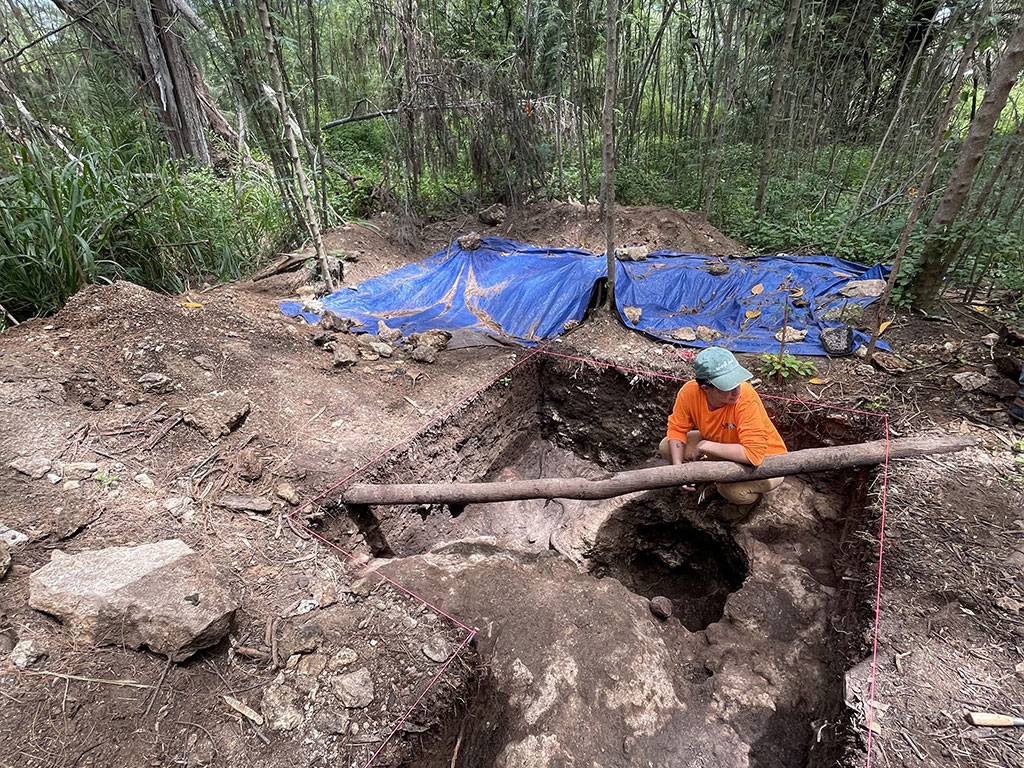
I worked at the Alamo for a short amount of time. That was really fun because we had three or four different units open. And so it was really slow going. We all helped out. It was nice that, pending what needed to be done, you could go around and look at the other units that people are excavating and see what they are encountering. Seeing it as it emerged and then people would screen the dirt and then we had all the artifacts.
What advice would you give to someone who has an interest in archaeology or maybe is thinking of becoming an archaeologist?
I would say there’s many different avenues to a full-time job. Explore the different avenues to see how you can get there. For instance, you could be interested in museums. I have a good friend who works in a museum, but she started off as an academic archaeologist. She transitioned to a little bit into CRM and then now she works in museum. So, you might not necessarily need to do museum studies necessarily but to be open and to learn how you can essentially train yourself on those skills in anthropology. It could almost apply for everybody: camping, hiking, being comfortable outdoors, you know, being open to opportunities, kind of seeing what’s out there. That’s really helped. with my own career. See what’s out there and put yourself out there and be around (the places you want to work).
Every job is not for everybody. It’s Anthropology. If you’re going to do Archaeology in the United States, you have to get a degree in Anthropology. Anthropology is a pretty useful soft skill degree. It’s the study of social systems, human social systems and anything any of us are going to do is entangled in a human social system. For instance, working on a CRM job site with engineers, instead of learning kinship networks, you’re learning Texas A&M college football.