

By Jessica Hennessey
Today I am exploring Guyanese cuisine, a rich blend of 6 different cultural food traditions from the people of Guyana who include the indigenous Amerindians from the north coast of South America, as well as people from Africa, East India, Britain, China, and Portugal). This cuisine is hundreds of years in the making, blending foundational ingredients from South America, the slave trade, immigration, and colonization.
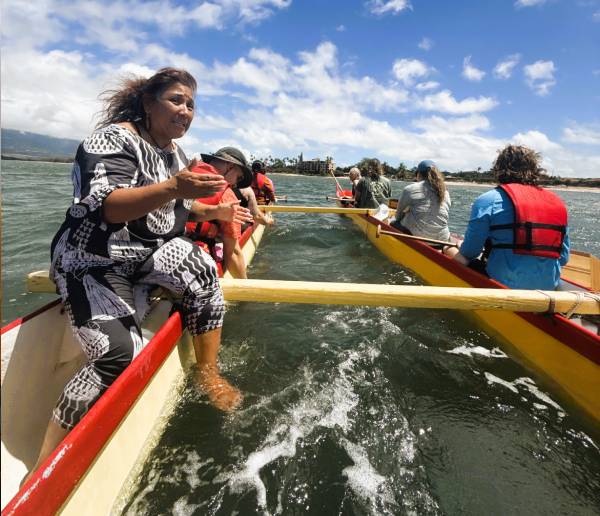
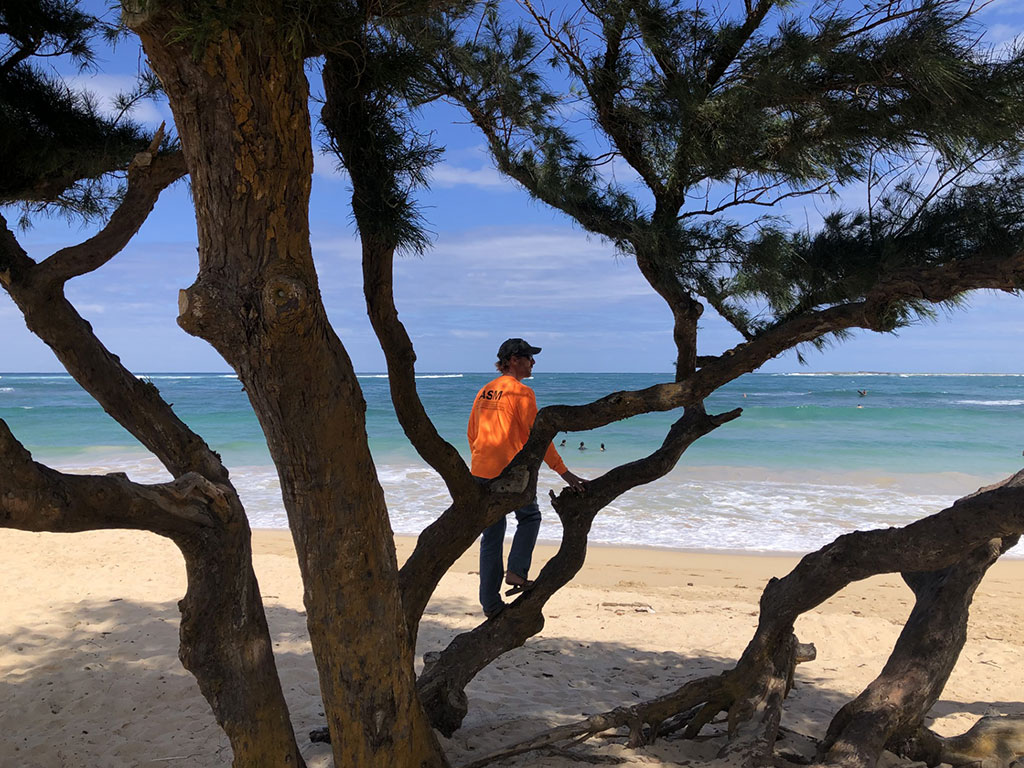
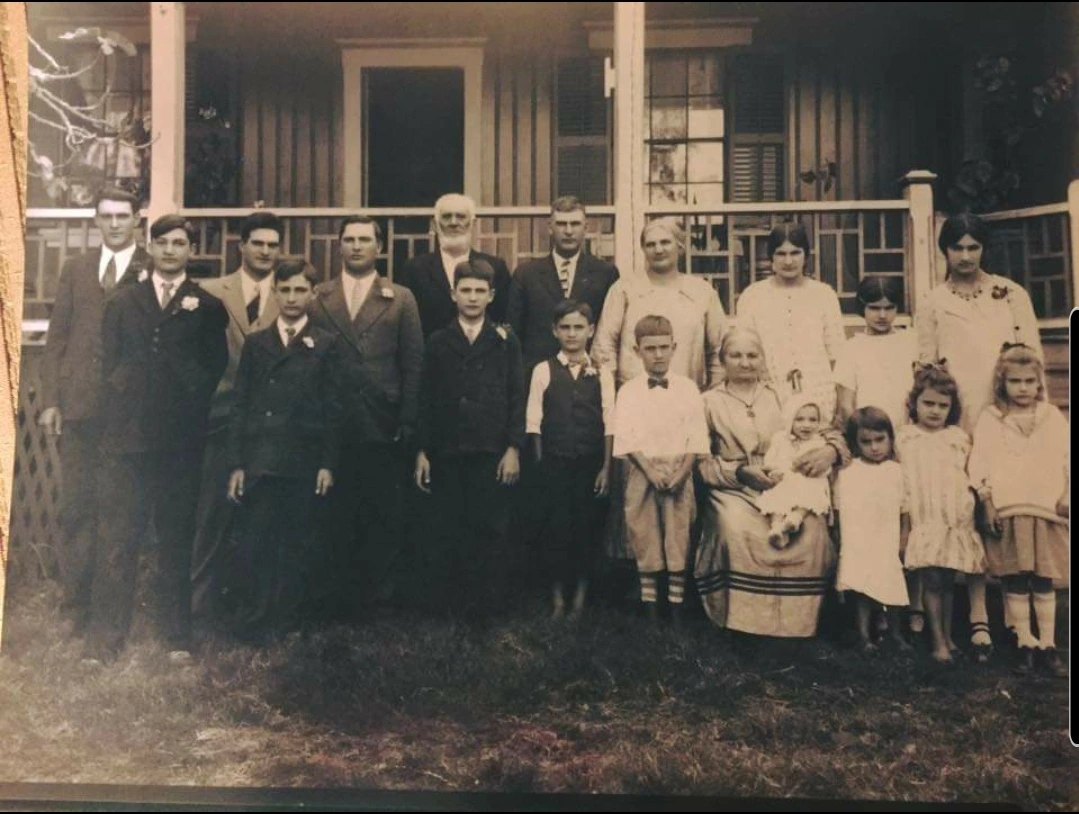
First, a little about my own family background. My paternal grandmother was born and raised on Maui to a large Portuguese family. Her family was originally from Madeira and the Azores, an Atlantic archipelago off the coast of Portugal. They immigrated to the Hawaiian Islands in the late 1800s, along with thousands of other Portuguese families, to work the sugar cane plantations. My ancestors, like many other immigrant families, wholeheartedly embraced the culture of their new home. The Portuguese cuisine was blended with traditional Hawaiian food as well as the food traditions of other plantation-era families from China, Japan, the Philippines, Korea, and Puerto Rico creating a unique and vibrant melting pot of flavors.
Growing up, I was unaware of our Portuguese background despite having recent relatives that were immigrants. As I got older, I wanted to connect with my own cultural heritage through exploring Portuguese recipes. While I one day plan to try traditional foods of Portugal in person, a 5,000+miles/15+ hour flight is not currently feasible for me. As I remembered my grandmother’s upbringing on Maui, where she experienced firsthand the blended cooking traditions of many cultures coming together with shared ingredients, I decided to search for areas in the Pacific Northwest for other food cultures that share Portuguese ingredients in a different way. Thus, my introduction to Guyanese food started.
The foundation of Guyanese food has Indigenous roots from Guyana, and includes the use of wild meat, local herbs, and cassava root. The residents of Guyana come from a diverse background of people from indigenous tribes, India, China, Portugal, and West Africa. This is directly reflected in the wide range of cuisine the country has to offer.
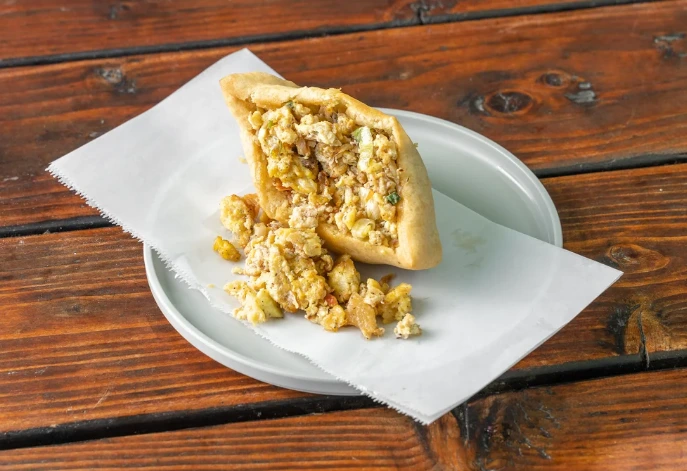
Bake on the Run is a food truck located in Portland, Oregon which was created by a mother and son duo named Bibi and Mike Singh (you may have seen them on Top Chef season 18). Mike started the business when he wanted to share his culture and food. Mike and Bibi offered on their menu what is called a “bake.” A bake is a fluffy, airy, fry bread that is slightly sweet. They had several different fillings you can get but when I first tried them I zeroed in on the bacalhau option. Bacalhau is dried, salted cod which has become Portugal’s unofficial dish and is honestly not the prettiest food to look at. Bacalhau is found in many of Portugal’s former colonies including Cabo Verde, Brazil, Goa, and Angola. Bake on the Run served the bacalhau in an omelette along with scallions, tomatoes, and onions. Combined with the sweetness of the bake, it makes for the perfect salty, fatty, sweet bite of food that really blew my mind on what a perfectly balanced bite of food is.
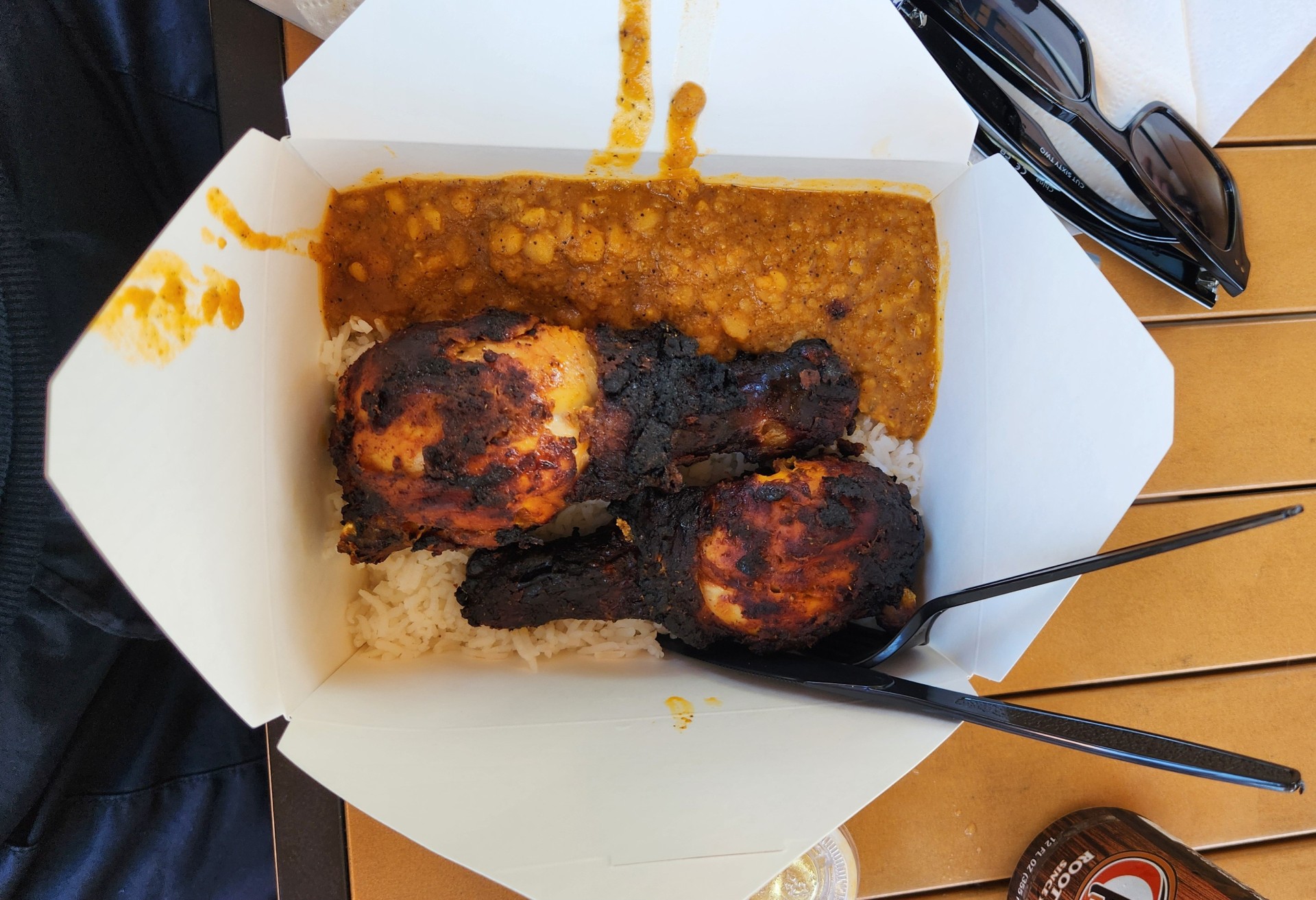
I recently returned to Bake on the Run to find that they had changed their menu and the famous bakes are no longer offered. This was partially due to Bibi’s own recent celiacs diagnosis but also learning that tariffs made it much too expensive for them to import bacalhau along with some other traditional foods. Like many small businesses, they have had to pivot to fit to continue operations in the current political climate. I ordered their gourmet curried chicken dish with rice and daal. Just as every bit excellent and a perfect combination of multiple cultures coming together to create one dish. Guyanese food, like many places including Hawaii, truly reflects a coming together of cultures and creating out of what is available. If you are ever in Portland, I highly recommend giving Bake on the Run a try.